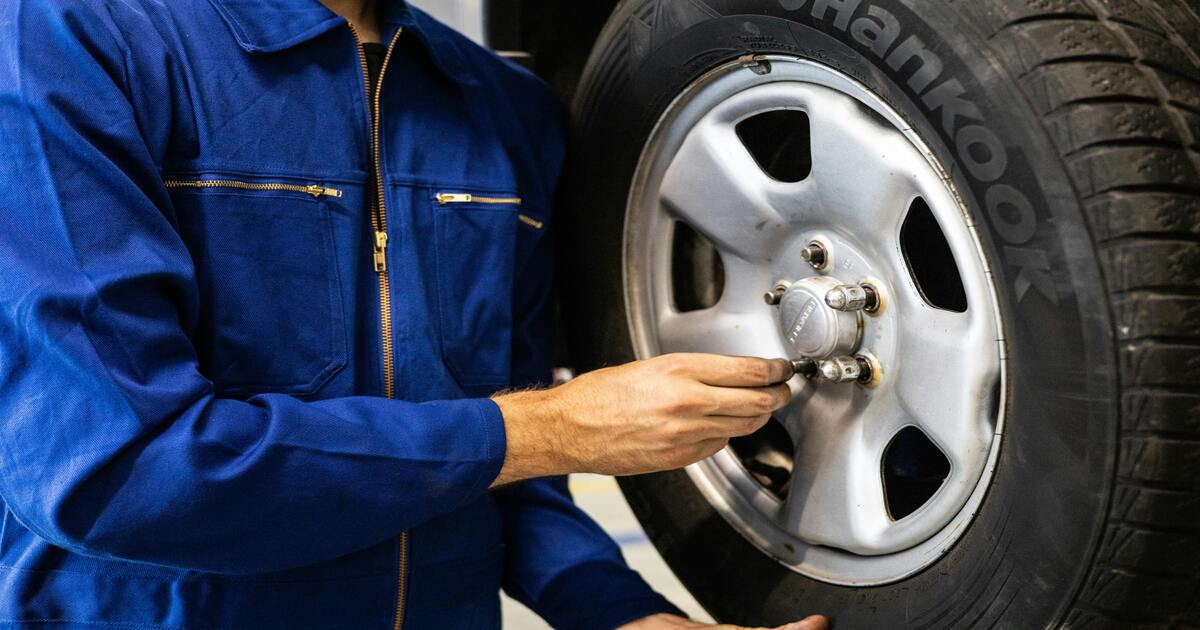
Car safety is paramount for every driver, and among the many components of a vehicle, tires stand out as one of the most critical. A car’s tires are the only point of contact between the vehicle and the road, making their condition crucial for overall safety. Let’s delve into some essential tips to ensure your car tires are safe and road-ready.
I. Introduction
Car safety encompasses various aspects, but today, our focus is on the often-overlooked yet vital component: tires. They play a crucial role in vehicle performance and safety, making it imperative to keep them in optimal condition.
II. Understanding Tire Safety
Signs of Wear and Tear
One of the fundamental aspects of tire safety is recognizing signs of wear and tear. Cracks, bulges, and uneven tread wear are indicators that your tires need attention.
Importance of Proper Inflation
Maintaining the correct tire pressure is essential for safety and performance. Underinflated tires can lead to increased fuel consumption, reduced handling, and even tire failure.
Tread Depth and Traction
Tread depth is a crucial factor for traction on wet or slippery roads. Worn-out tread reduces grip, increasing the risk of accidents, especially in adverse weather conditions.
III. Regular Maintenance Checks
Visual Inspections
Regular visual inspections can help identify issues like cuts, punctures, or embedded objects in the tire tread. Addressing these issues promptly can prevent further damage.
Tire Pressure Checks
Routine pressure checks, ideally once a month, ensure that your tires are properly inflated. It’s essential to refer to the manufacturer’s recommendations for the correct pressure levels.
Rotation and Alignment
Rotating tires regularly promotes even wear, extending their lifespan. Additionally, proper wheel alignment prevents premature wear and ensures optimal handling and fuel efficiency.
IV. Weather Considerations
Summer vs. Winter Tires
Different weather conditions demand different types of tires. Summer tires provide excellent traction in dry and warm conditions, while winter tires offer superior grip on snow and ice-covered roads.
Handling Rain and Snow
Properly maintained tires with adequate tread depth are crucial for safe driving in rainy or snowy conditions. Reduced traction can significantly increase stopping distances and the risk of hydroplaning.
V. Driving Habits and Tire Longevity
Impact of Driving Style
Aggressive driving, such as hard braking and acceleration, accelerates tire wear. Adopting smooth driving habits not only enhances safety but also extends tire lifespan.
Avoiding Overloading
Exceeding the vehicle’s maximum load capacity puts excessive strain on tires, leading to premature wear and potential failure. It’s crucial to adhere to load limits specified by the manufacturer.
VI. Emergency Preparedness
Dealing with a Flat Tire
Knowing how to change a flat tire is a fundamental skill for every driver. Keep essential tools, such as a jack and lug wrench, in your vehicle, and practice tire-changing procedures beforehand.
Importance of Spare Tires and Tools
A functional spare tire and necessary tools can be a lifesaver in emergencies. Regularly check the spare tire’s condition and ensure that all required tools are readily accessible.
VII. Technology and Safety
Tire Pressure Monitoring Systems (TPMS)
TPMS alerts drivers to significant changes in tire pressure, providing early warnings of potential issues. Regularly calibrate and maintain TPMS sensors for accurate readings.
Advanced Tire Safety Features
Modern vehicles are equipped with advanced safety features like anti-lock braking systems (ABS) and electronic stability control (ESC), which enhance tire performance and overall vehicle safety.
VIII. Eco-Friendly Tires
Sustainable Options
Environmentally conscious drivers can opt for eco-friendly tire options made from sustainable materials or designed for improved fuel efficiency, reducing their carbon footprint.
Benefits Beyond Safety
Eco-friendly tires not only contribute to environmental preservation but also offer benefits like reduced rolling resistance, leading to better fuel economy and longer tire life.
IX. Common Myths and Misconceptions
Separating Fact from Fiction
There are numerous myths surrounding tire maintenance and safety. It’s essential to debunk these misconceptions and rely on factual information to ensure proper tire care.
X. Conclusion
In conclusion, prioritizing tire safety is crucial for every driver. By understanding the signs of tire wear, performing regular maintenance checks, considering weather conditions, and adopting safe driving habits, you can ensure optimal tire performance and overall vehicle safety.
FAQs
1. How often should I check my tire pressure?
It’s advisable to check tire pressure at least once a month or before long trips.
2. Can I drive with a nail in my tire?
Driving with a nail in your tire is risky and can lead to a sudden loss of air pressure or a blowout. It’s best to address punctures promptly.
3. Are expensive tires always better?
Not necessarily. The best tire choice depends on factors like driving conditions, vehicle type, and personal preferences.
4. When should I replace my tires?
Replace tires when they exhibit signs of significant wear, such as low tread depth or visible damage, or according to the manufacturer’s recommendations.
5. Do I need to rotate my tires regularly?
Yes, rotating tires promotes even wear and extends their lifespan. Refer to your vehicle’s manual for recommended rotation intervals.